Whole-home renovations don’t start with hammers.
They start with questions.
How much is this really going to cost? Where does the money actually go? Are we paying more for labor or materials? And what drives the difference between a reasonable quote and a shocking one?
If you’ve been researching whole home renovation cost or comparing estimates for a full home remodeling cost, you’ve probably noticed something. Prices vary widely. And not always for obvious reasons.
This guide is here to pull back the curtain. Not to overwhelm you with spreadsheets, but to help you understand what you’re paying for and why. Because when you understand the structure behind the numbers, you feel more confident making decisions.
And confidence is everything in a renovation this big.
Understanding the Big Picture
A whole-home renovation is more than a collection of small projects. It’s a coordinated transformation of structure, systems, layout, and design.
When homeowners look at a proposal and see a large number at the bottom, it can feel abstract. But that total is usually made up of three core components:
- Labor
- Materials
- Design and planning
Each plays a different role. Each influences the overall whole home renovation cost in a unique way.
Let’s break them down clearly.
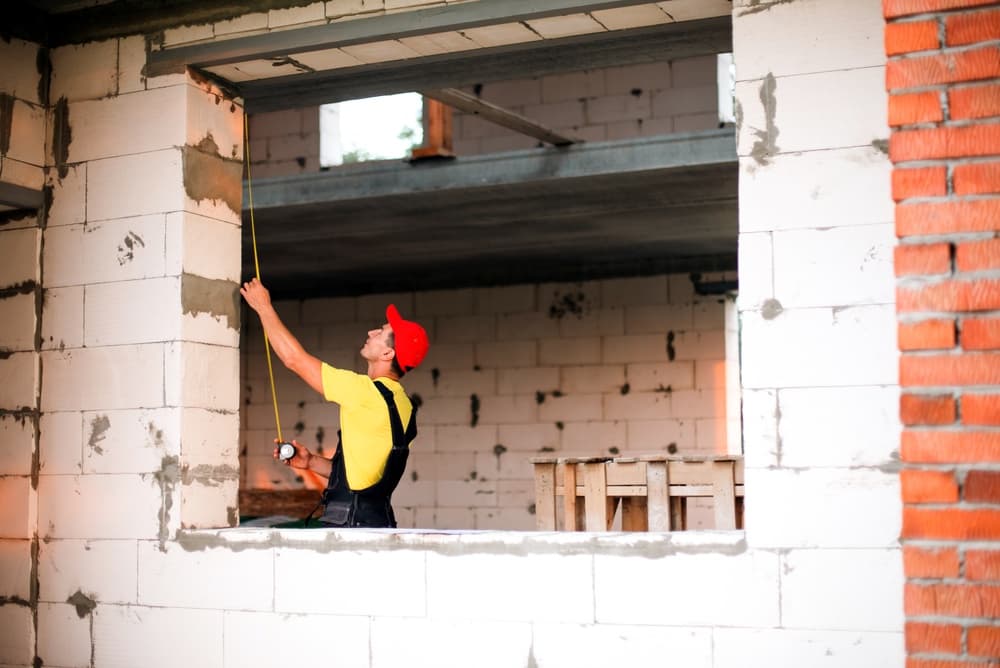
Labor: The Skill Behind the Scenes
Labor is often one of the largest portions of a full home remodeling cost. And for good reason.
Renovations require licensed professionals, trained crews, project managers, electricians, plumbers, carpenters, tile installers, and painters. Every step must be coordinated and executed correctly.
Home renovation labor costs include:
- Demolition
- Framing and structural changes
- Plumbing installation
- Electrical work
- HVAC adjustments
- Drywall, flooring, and finish carpentry
- Project management and scheduling
Many homeowners ask whether labor or materials cost more. The answer depends on scope, but in many whole-home projects, construction labor vs material cost can lean heavily toward labor, especially when layout changes are involved.
Skill is not just time. It’s precision. It’s safety. It’s ensuring your home is structurally sound for decades.
Choosing experienced professionals may not be the cheapest option, but it often protects you from costly corrections later.
Materials: What You See and Feel
Materials are what most homeowners focus on. Cabinets, flooring, countertops, tile, fixtures. These are visible. Tangible.
Material costs can vary dramatically based on selection.
For example:
- Engineered hardwood vs solid hardwood
- Quartz vs marble countertops
- Stock cabinets vs custom millwork
- Basic tile vs imported specialty tile
Material upgrades can significantly influence full home remodeling cost. But they also shape the personality of the space.
The key is balance. High-end finishes in every room may not always deliver proportional value. Strategic upgrades often create stronger results.
When comparing construction labor vs material cost, remember that materials affect appearance and feel. Labor affects longevity and performance.
Both matter.
Design and Planning: The Often Overlooked Investment
Design fees are sometimes misunderstood. They may feel optional to some homeowners, but thoughtful planning can actually reduce long-term expense.
Professional design work includes:
- Space planning
- Layout optimization
- Structural coordination
- Material sourcing
- Permit drawings
- 3D visualizations
Good design prevents mistakes. It ensures plumbing aligns properly. It helps avoid costly mid-project changes.
In many cases, investing in design reduces waste and improves overall home renovation pricing factors.
Design is not decoration. It’s strategy.
How Labor and Materials Interact
One of the most misunderstood aspects of renovation budgeting is how labor and materials influence each other.
For example:
- Complex tile patterns increase labor time
- Custom cabinetry requires more installation precision
- Moving plumbing increases both labor and material expenses
- Open-concept layouts may require structural reinforcement
The relationship between construction labor vs material cost is rarely isolated. Choices in one category often impact the other.
Understanding this interplay allows you to make informed adjustments.
Structural Changes vs Cosmetic Updates
A major factor influencing whole home renovation cost is whether you are altering structure or simply updating finishes.
Structural renovations may include:
- Removing load-bearing walls
- Expanding rooms
- Relocating kitchens or bathrooms
- Reinforcing foundations
These changes require engineering, permits, and extensive labor.
Cosmetic updates focus more on:
- Paint
- Flooring replacement
- Cabinet refacing
- Fixture upgrades
While cosmetic work improves aesthetics, structural changes transform how the home functions.
That difference plays a significant role in overall pricing.
Location and Market Conditions
Home renovation pricing factors extend beyond your home’s walls.
Regional labor rates vary. Material availability fluctuates. Permit requirements differ by municipality.
In high-demand areas, skilled trades may command higher rates. Supply chain shifts can affect pricing on lumber, tile, or fixtures.
These external variables are part of the broader financial landscape of your renovation.
It’s important to compare estimates carefully, but also understand what influences them.
Where to Invest and Where to Be Strategic
When managing full home remodeling cost, smart allocation makes a difference.
Consider investing more in:
- Structural integrity
- Waterproofing
- Electrical and plumbing systems
- Durable flooring
- High-traffic areas like kitchens
Be more strategic with:
- Decorative lighting
- Feature walls
- Custom trim in secondary rooms
- Trend-based finishes
Not every surface requires premium materials to create a high-end result.
Balanced decision-making helps control overall whole home renovation cost without sacrificing quality.
The Role of Contingency Budgets
Even the best planning can uncover surprises.
Older homes may reveal:
- Outdated wiring
- Water damage
- Subfloor deterioration
- Code compliance issues
A contingency budget, typically 10 to 15 percent of the total, protects you from stress if unexpected work arises.
Including this buffer is one of the most responsible home renovation pricing factors homeowners can incorporate.
Emotional Value vs Financial Value
Renovation decisions are not purely mathematical.
Yes, you may evaluate potential resale impact. But you also live in the home.
Improved natural light. Better flow between rooms. Updated systems that reduce energy bills. These improvements deliver daily value.
Sometimes the return is comfort.
Sometimes the return is peace of mind.
Understanding whole home renovation cost through both financial and emotional lenses helps create balanced expectations.
Working With Transparent Professionals
Clear communication is critical.
A detailed proposal should outline:
- Labor breakdown
- Material allowances
- Permit costs
- Project timeline
- Payment schedule
Transparency builds trust. And trust is essential in a project that touches every part of your home.
When evaluating contractors, ask questions about construction labor vs material cost allocations. Ask how they calculate estimates. Ask what variables could affect pricing.
Informed homeowners make better decisions.
FAQs
1. What is the average whole home renovation cost? Costs vary widely based on size, scope, and location, but major renovations typically represent a significant investment due to labor and structural work.
2. Is labor usually more expensive than materials? In many full home remodeling projects, home renovation labor costs can equal or exceed material expenses, especially when layout changes are involved.
3. What factors most influence renovation pricing? Structural changes, material selections, regional labor rates, and permit requirements are key home renovation pricing factors.
4. Should I budget extra for unexpected expenses? Yes. A contingency fund of 10 to 15 percent helps cover surprises uncovered during construction.
5. How can I manage construction labor vs material cost effectively? Prioritize structural integrity and durable systems, while making strategic material choices in lower-impact areas.
Final Thoughts
A whole-home renovation is not just a project. It’s a commitment.
Labor brings skill. Materials bring beauty. Design brings cohesion. Together, they shape the true full home remodeling cost.
When you understand where the money goes and why, the numbers feel less intimidating. They feel purposeful.
And purposeful decisions create renovations that don’t just look impressive, but function beautifully for years to come.