
Full HomeRemodeling
Full home remodeling involves coordinating multiple upgrades across working areas under a single, well-planned renovation strategy. Rather than looking at individual rooms, this approach looks at flow, systems, and how layout updates support the way homeowners use their space. Planning focuses on timing, budgeting, structural requirements, and sequences to avoid setbacks.
Start Your Project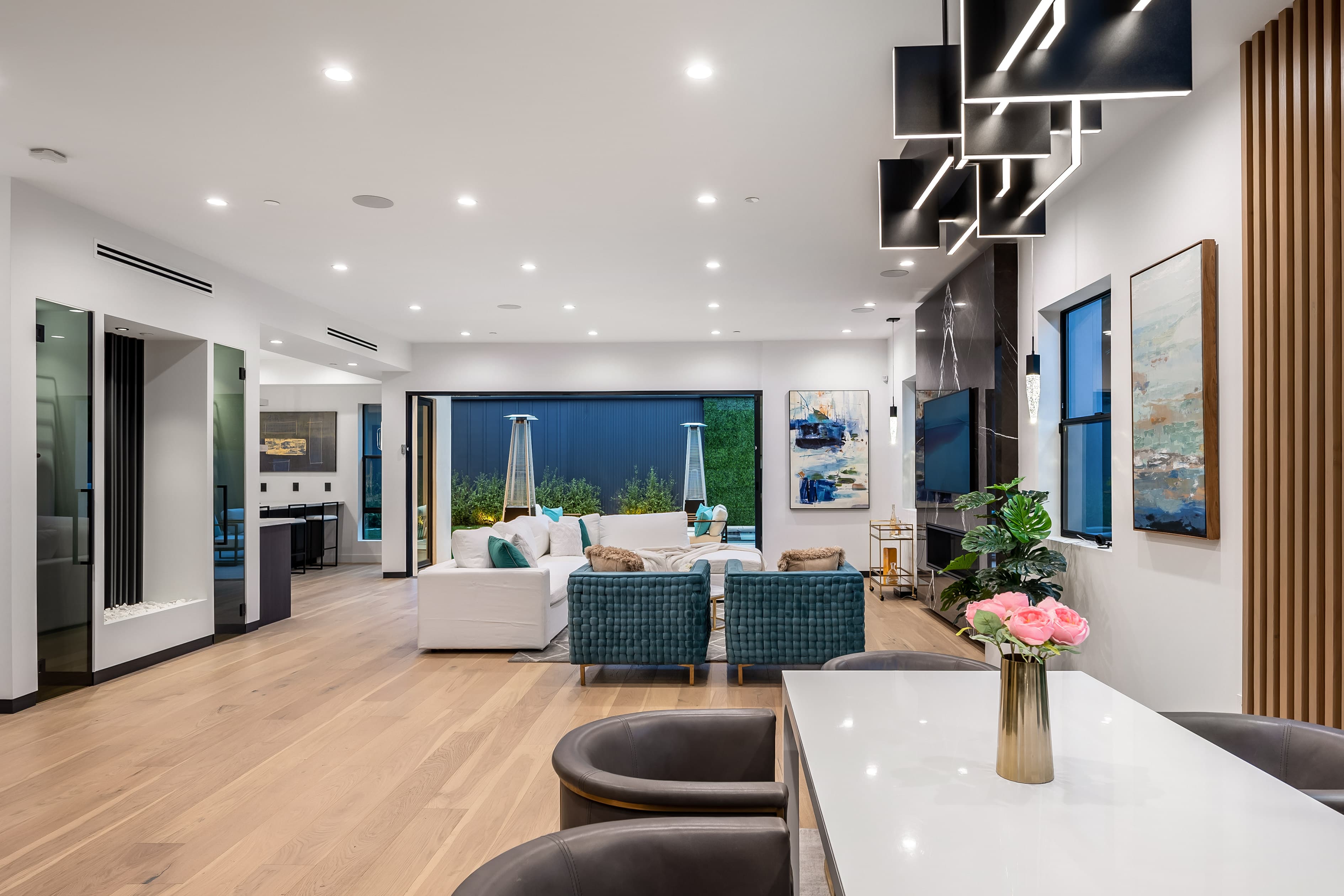

Is Full Home Remodeling the Right Approach?
Full home remodeling may be the right approach when several areas of a home need improvement or when isolated updates no longer make sense. Homes with outdated layouts, disconnected spaces, or aging systems often benefit from a coordinated plan rather than piecemeal changes. This approach is also suited for homeowners planning long-term ownership, major lifestyle changes, or structural updates that affect multiple areas. When improvements are interconnected, addressing them together can lead to clearer decisions and a more functional outcome.
What Full Home Remodeling Typically Includes
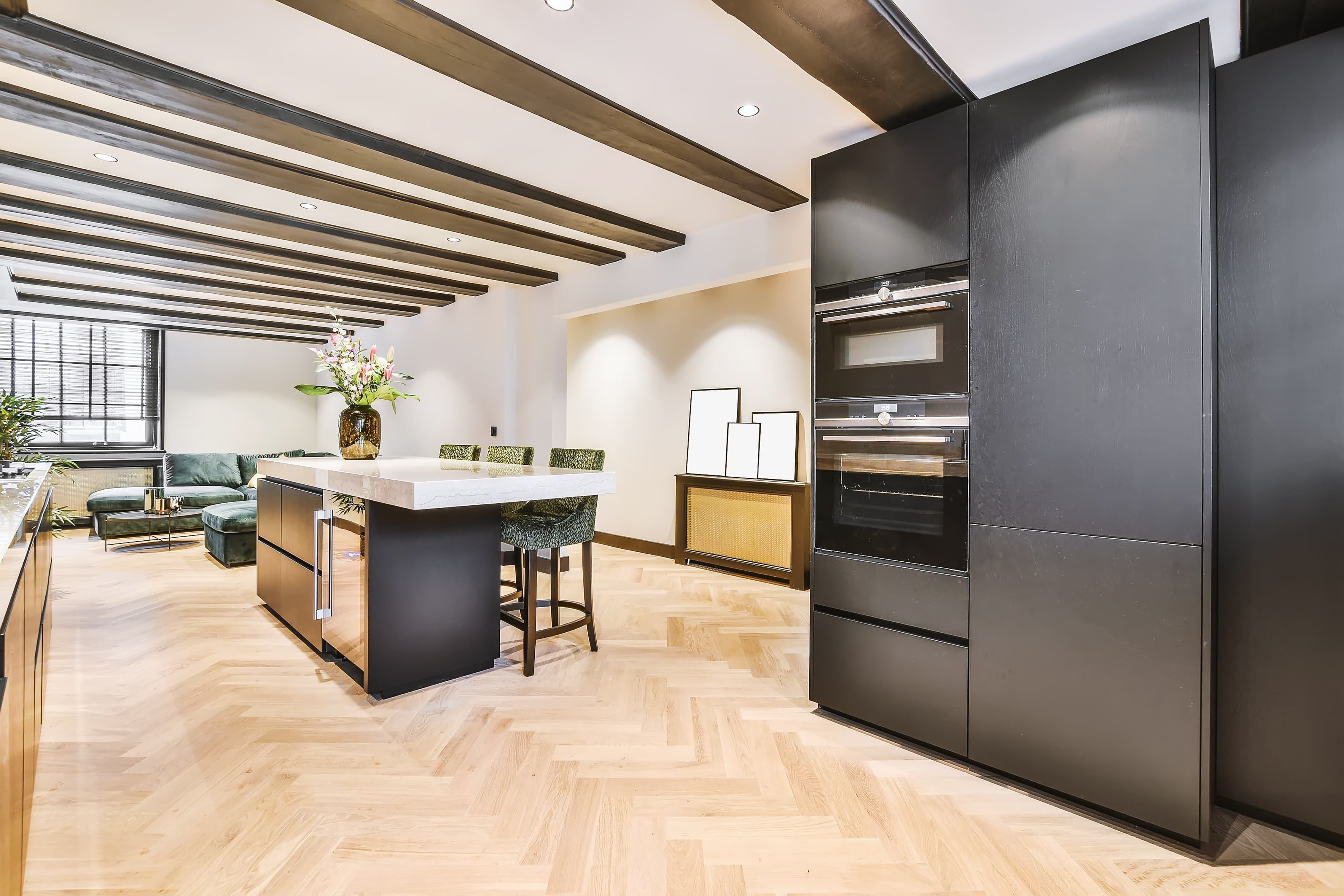
Multi-Room Renovations
Full home remodeling often includes updates in key areas of the home under a single, coordinated design plan. This can cover kitchens, bathrooms, living spaces, and bedroom layouts.
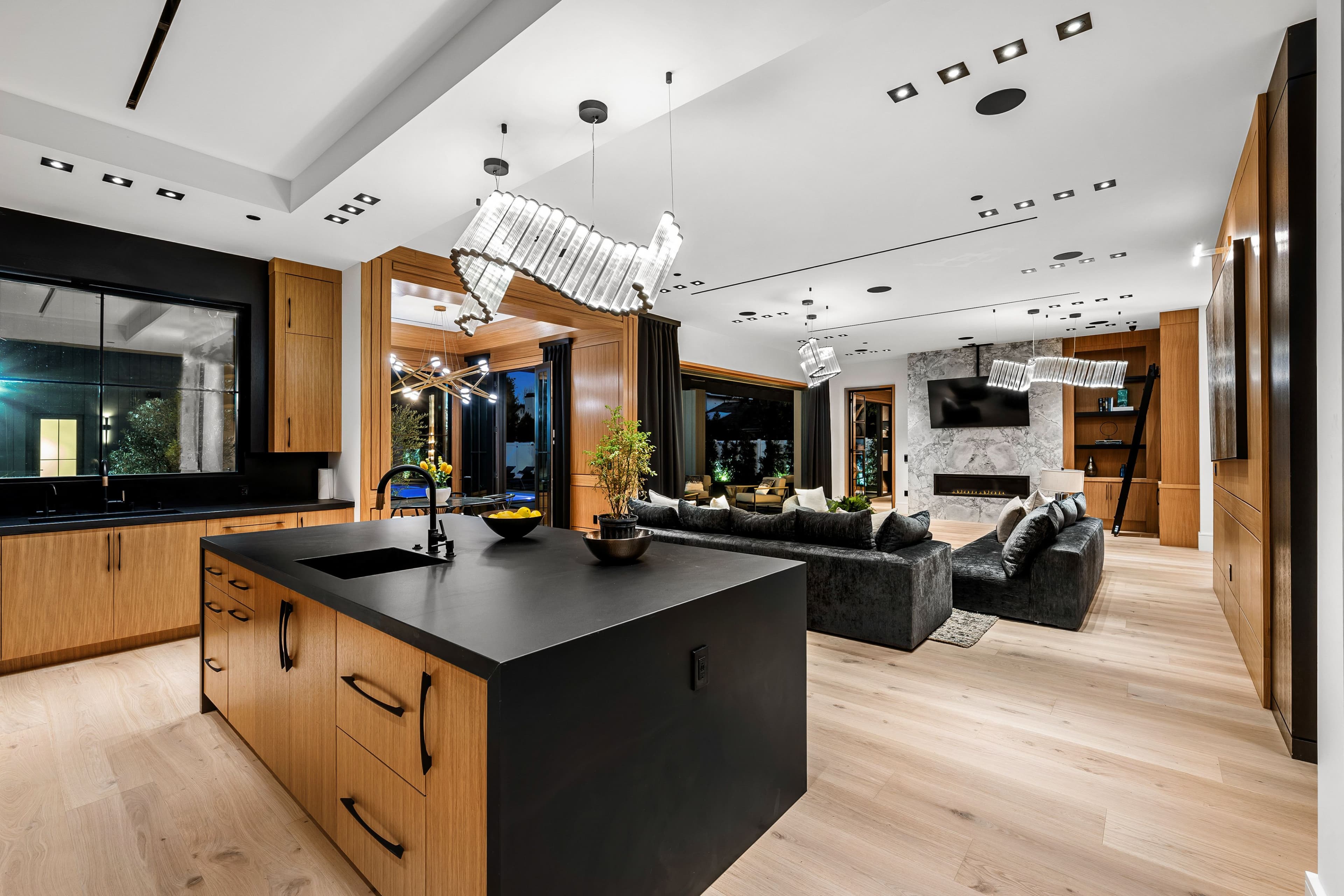
Layout Reconfiguration
Layout changes focus on improving flow and usability by adjusting walls, entryways, or room functions. This helps rooms feel more open, connected, and supportive of modern routines.
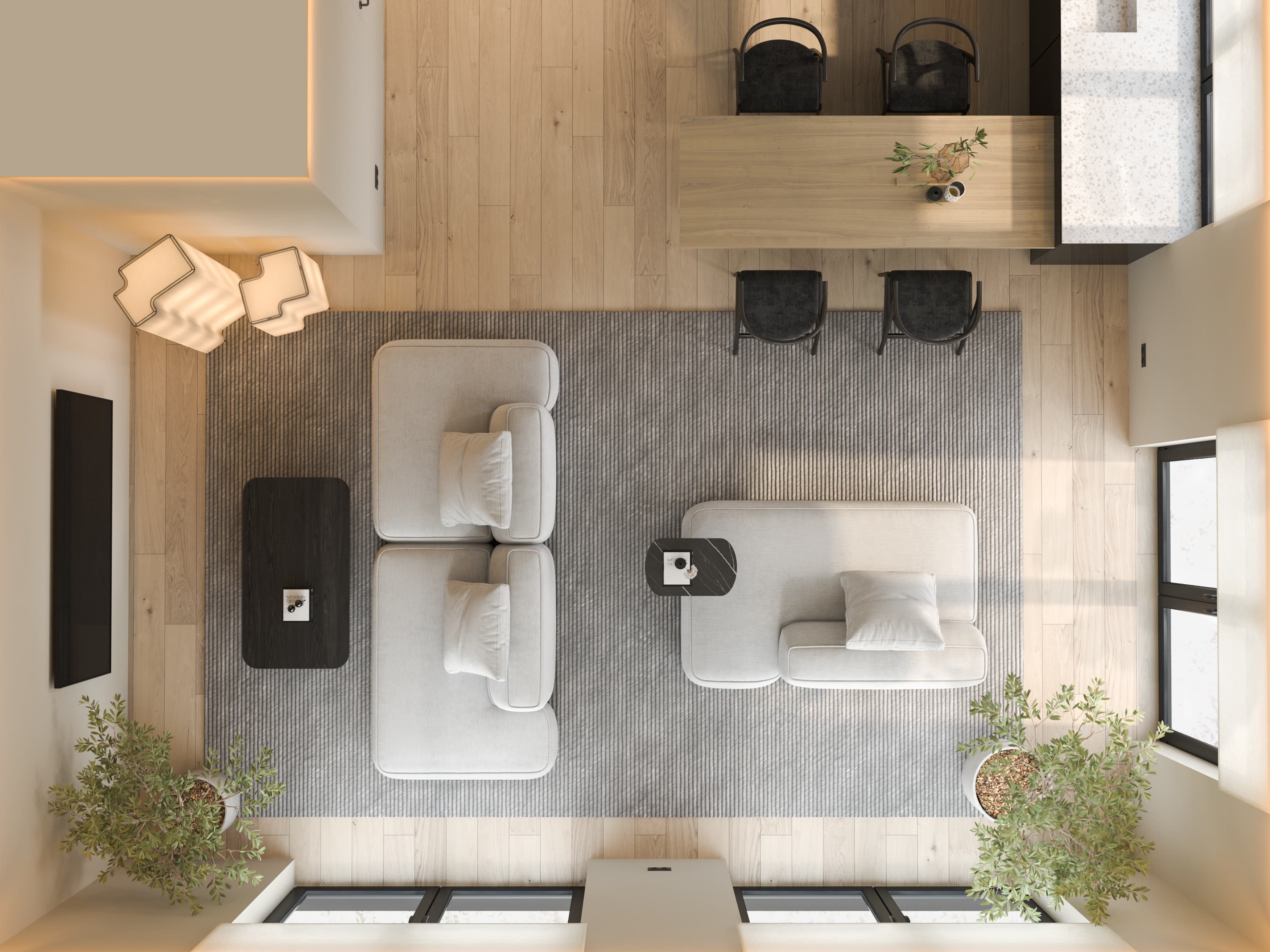
Structural Adjustments
Structural updates address load-bearing elements, foundation needs, or additions that expand the footprint. These adjustments provide support for safety and long-term durability.
Our Approach to Coordinated Home Remodeling
Our approach treats the home as an interconnected system rather than a collection of individual rooms. Planning begins by evaluating how spaces, structures, and systems relate to one another. Work sequencing is carefully considered to account for dependencies between layout changes, system updates, and finishes.
Managing complexity is central to full home remodeling. Decisions are organized to reduce conflicts and maintain consistency throughout the project. By focusing on coordination rather than isolated tasks, this approach supports smoother execution and helps ensure the final result feels cohesive across the entire home.
Important Planning Considerations
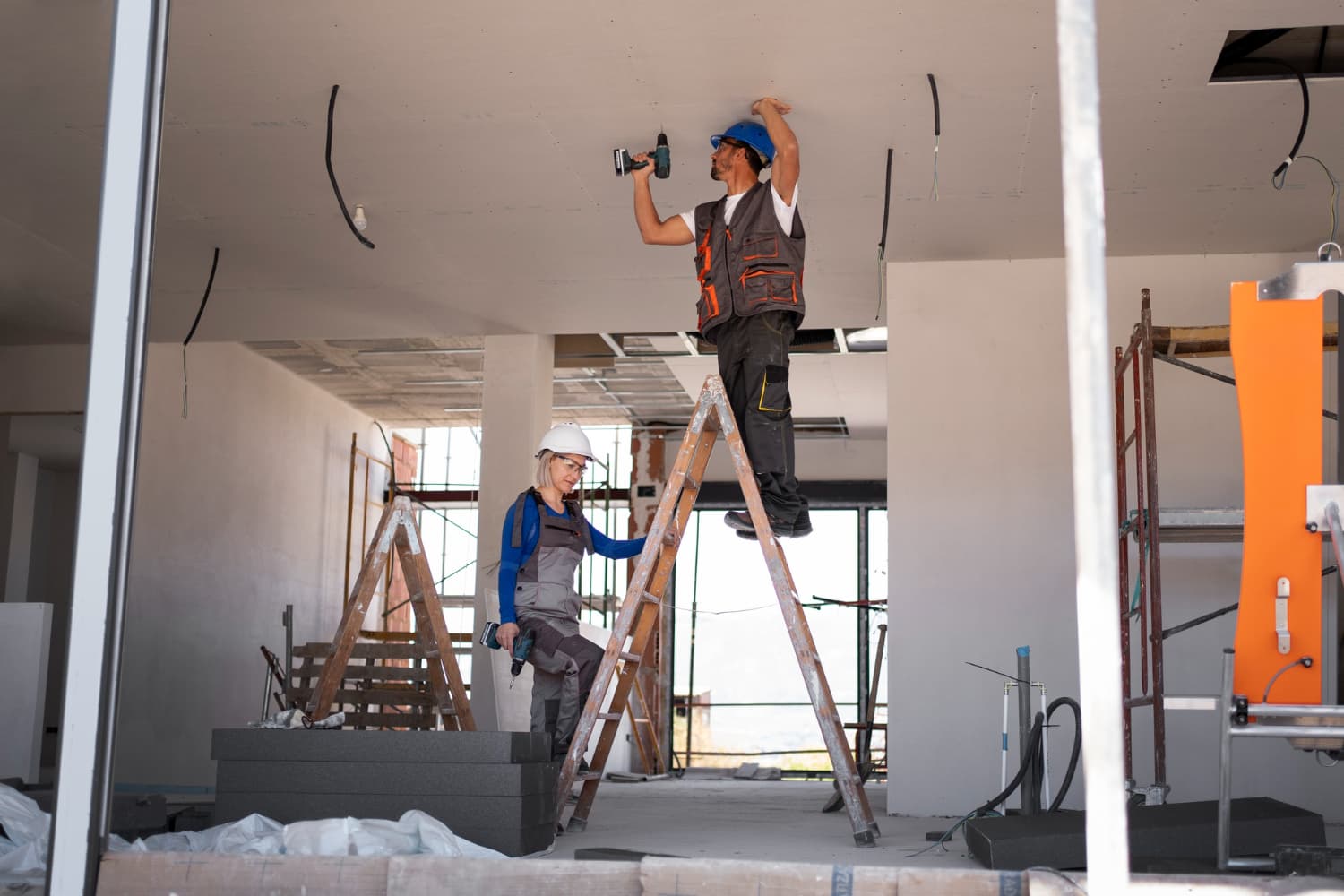
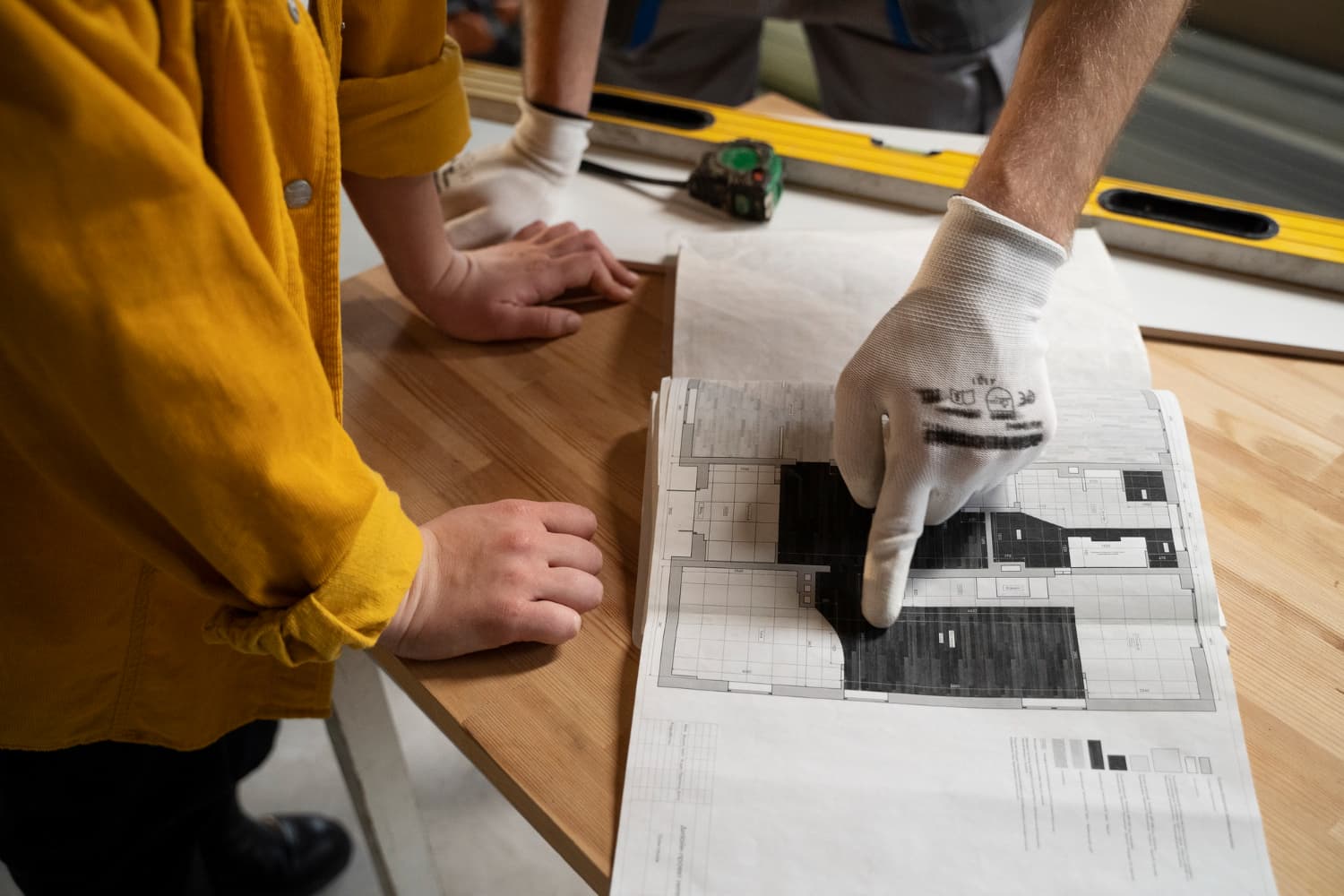
Full home remodeling requires a realistic plan that addresses budget, scope, and the sequencing of work. Coordinating multiple areas can help prevent delays and ensure consistency across layout decisions and material selections.
Timeline planning is crucial, as some phases of work will affect daily routines more than others. Vetted general contractors help manage these schedules, ensuring that structural updates, utilities, and finishes are handled in the correct order.
Full Home Remodeling FAQs
What’s the difference between a phased remodel and full home remodeling?
How should large remodeling projects be planned?
Can homeowners live in the home during full remodeling?
How are scope changes handled during full home remodeling?
Is full home remodeling suitable for older homes?
Related Services
Explore our other remodeling solutions
Kitchen Remodeling Services
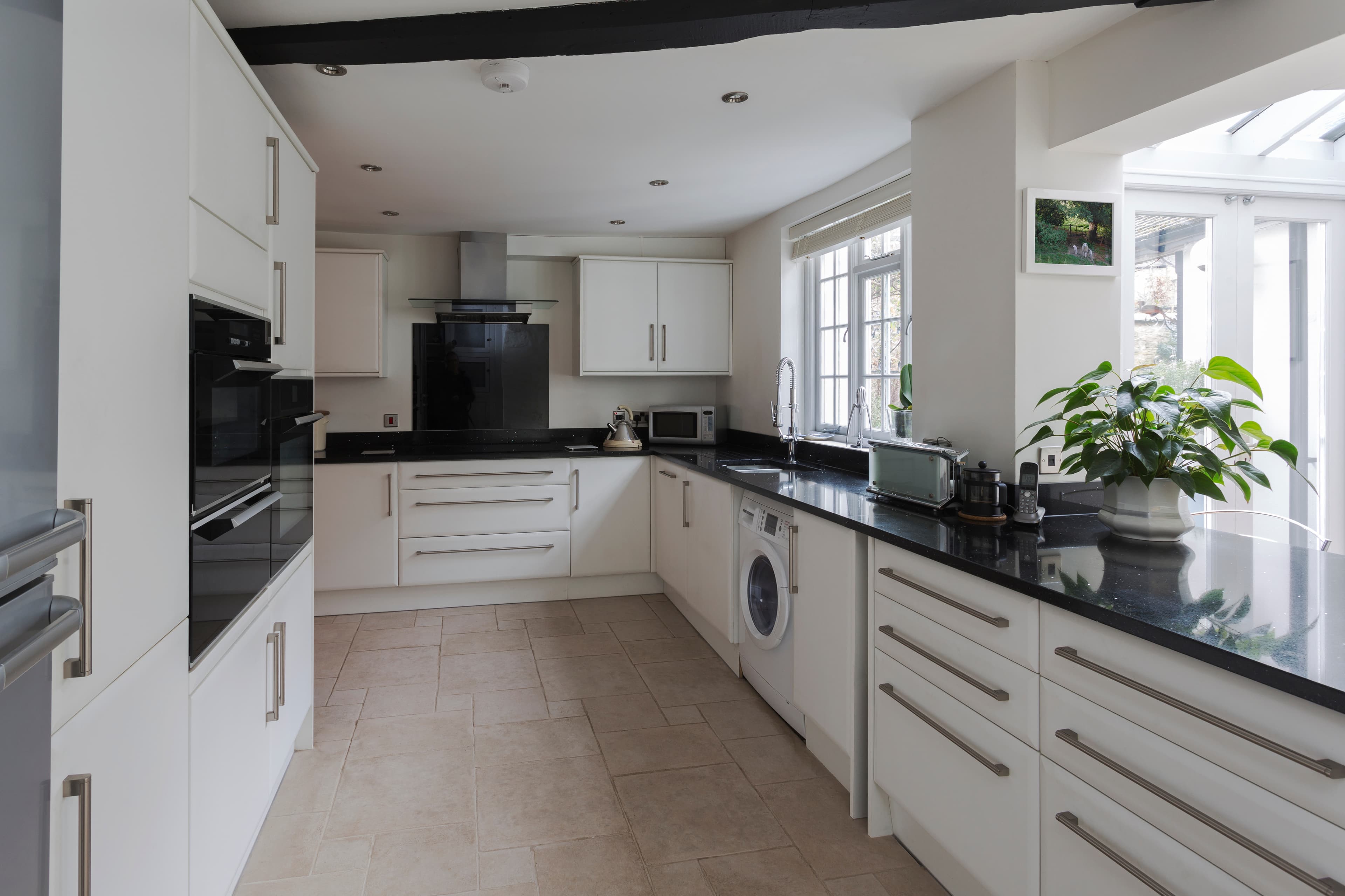
Kitchen remodeling focuses on improving layout, storage, and everyday usability
View More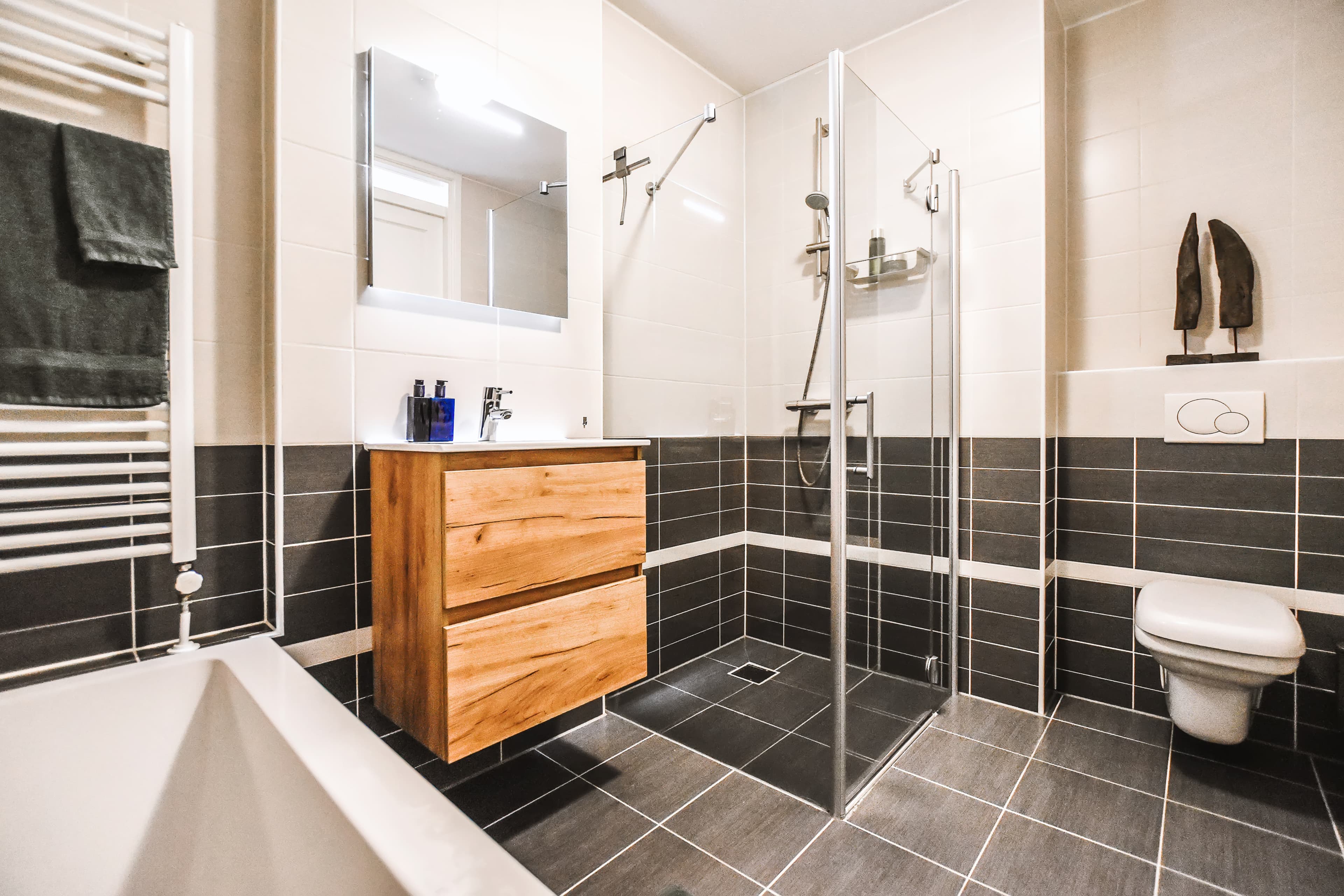
Bathroom Remodeling Services
Bathroom remodeling helps improve comfort, efficiency, and long-term reliability
View More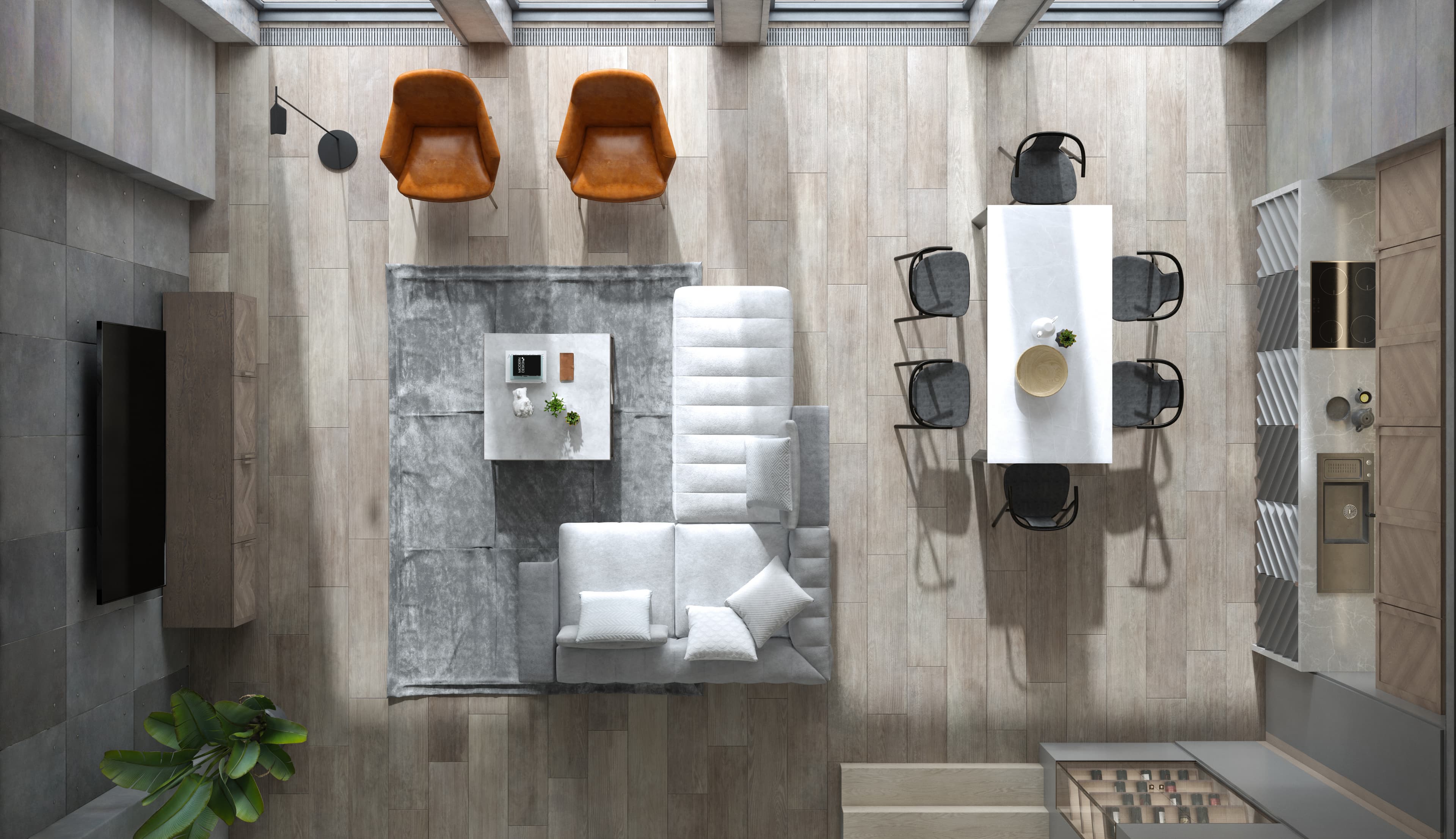
Full Home Remodeling Services
Full home remodeling brings multiple upgrades together under one coordinated plan
View More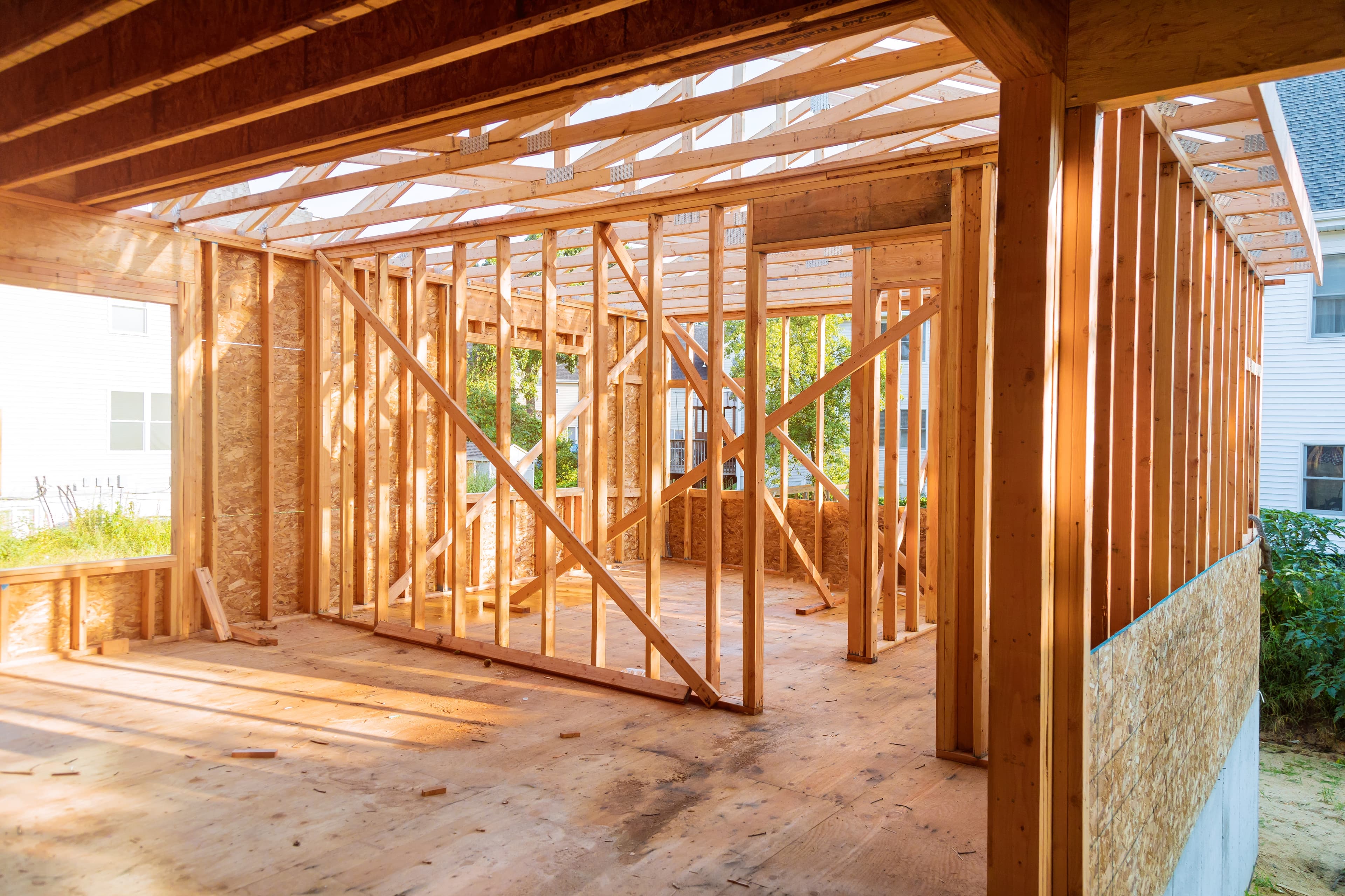
Home Additions & ADU Remodeling
Home additions and ADU remodeling allow homeowners to expand living space within an existing property
View MorePlanning a Full Home Remodel
If you're considering full home remodeling, understanding the planning process can help you move forward with clarity. Explore how kitchen projects are approached or learn more about how remodeling services are coordinated before deciding on next steps
Learn How the Process Works