If you’ve been thinking about remodeling your home, chances are you’ve hit this question sooner or later. Should you renovate everything at once, or take it one room at a time? It sounds simple on the surface, but the answer depends on how you live, how your home functions today, and how you want it to feel years from now.
Some homeowners picture a clean slate. Others prefer gradual improvement without disrupting daily life too much. Both paths can work. What matters is understanding how each approach affects planning, cost, timing, and the overall experience of living through a remodel.
This guide walks through both options in a practical, real-world way so you can decide what actually makes sense for your home and your situation.
Understanding Full Home Remodeling
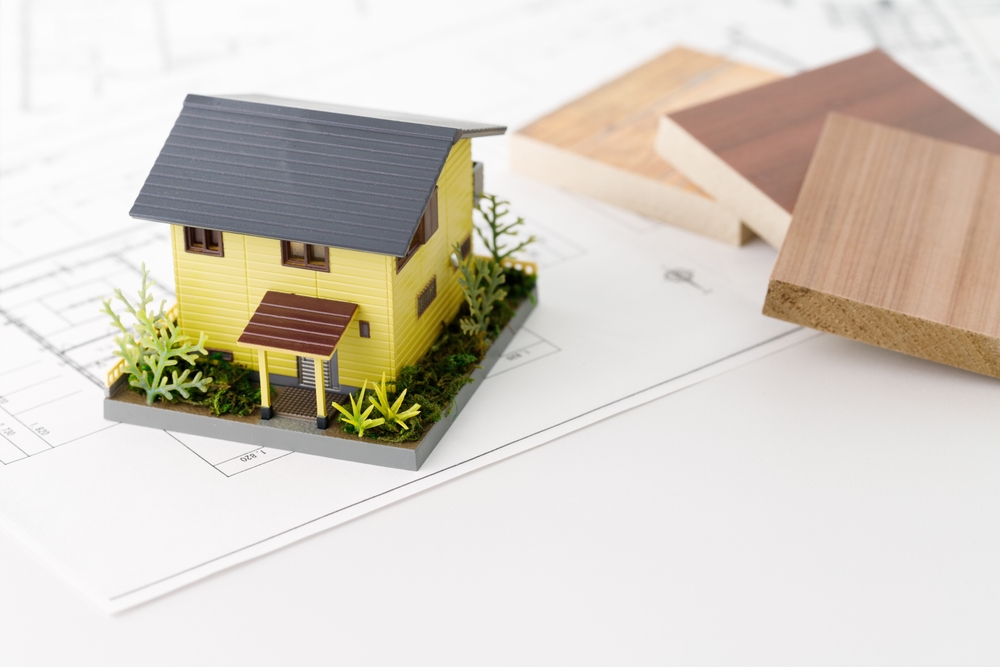
Full home remodeling involves improving multiple areas of the house under one coordinated plan. Instead of treating rooms as isolated projects, the home is viewed as a connected system. Layout, flow, materials, and function are planned together.
This approach is often chosen when a home has several outdated areas, awkward layouts, or long-standing issues that can’t be solved room by room. It’s also common when homeowners plan to stay long term and want the house to evolve as a complete living space.
One of the biggest advantages of this approach is clarity. With full house remodel planning, decisions are made once instead of repeatedly. Flooring transitions, wall changes, electrical upgrades, and plumbing adjustments can be handled together rather than revisited over time.
The whole house remodeling timeline is usually longer upfront, but the work happens in a more concentrated window. That can mean fewer repeated disruptions compared to years of scattered construction.
What Room-by-Room Upgrades Look Like
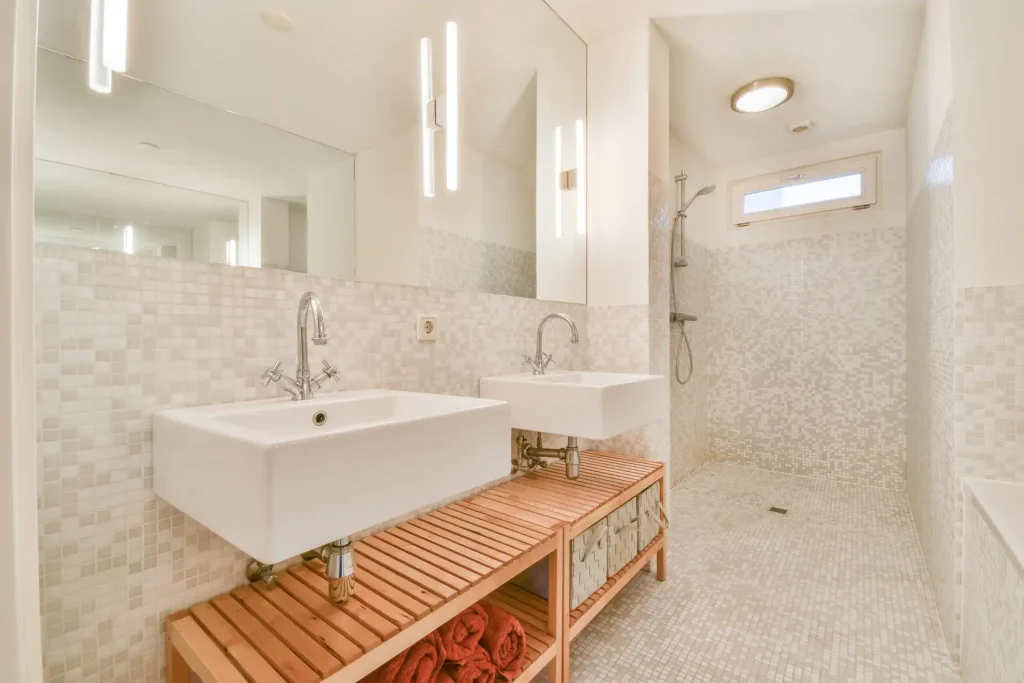
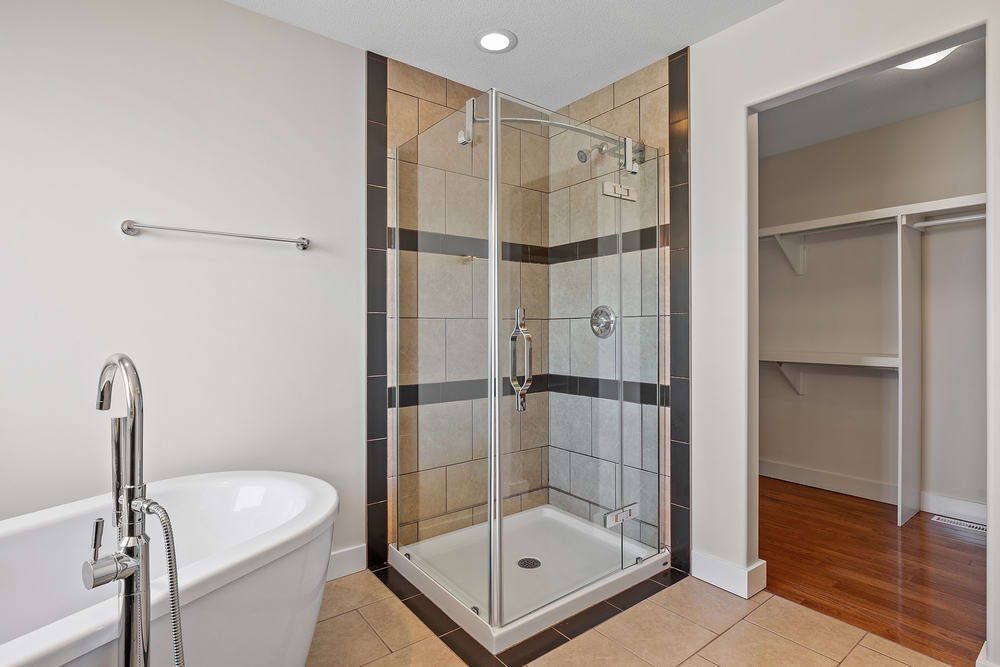
A phased or room-by-room approach focuses on improving one space at a time. Many homeowners start with kitchens or bathrooms since those areas tend to have the most impact on daily life.
This phased home remodeling approach can feel more manageable, especially when budgets are tight or when moving out temporarily is not an option. Work is broken into smaller projects, each with its own planning phase and timeline.
Room-by-room upgrades can also make sense when only certain areas need attention. If the kitchen works well but bathrooms are outdated, it’s reasonable to focus effort where it matters most.
The tradeoff is that each phase becomes its own mini project. That often means repeating planning steps, scheduling work multiple times, and sometimes revisiting decisions made earlier when later upgrades don’t quite align.
Comparing Planning and Decision Making
Planning is where the difference between these approaches becomes most noticeable.
With full house remodel planning, homeowners step back and think about how the entire home should function. Questions go beyond finishes and fixtures. How do rooms connect? Where does storage fall short? How does light move through the space?
Because planning a full home renovation looks at the bigger picture, it often leads to better long-term solutions. Walls may be moved once instead of twice. Systems can be upgraded in a coordinated way. Materials can be chosen to work consistently across spaces.
Room-by-room upgrades rely on more immediate decisions. Planning tends to focus on the space at hand rather than how it fits into future phases. This doesn’t mean poor planning, but it does require foresight to avoid conflicts later.
If future upgrades are likely, having at least a rough long-term plan helps prevent costly revisions down the road.
Cost Considerations Beyond the Surface
Many homeowners assume room-by-room remodeling is always cheaper. In the short term, that can be true. Smaller projects usually require less upfront investment.
However, full home remodeling can offer efficiencies that aren’t always obvious. Labor can be scheduled more effectively. Materials can be purchased in bulk. Structural or system upgrades are handled once instead of being reopened later.
Over time, phased remodeling may cost more due to repeated setup, teardown, and planning cycles. That doesn’t make it the wrong choice, but it’s important to understand the long-term financial picture rather than only the immediate price tag.
The right choice depends on cash flow, tolerance for disruption, and how soon you want the home to feel complete.
Living Through the Remodel
Lifestyle impact plays a major role in deciding between these options.
Full home remodeling can be intense. Large portions of the house may be unavailable at once. Some homeowners choose to move out temporarily, while others live through the process with careful planning.
The upside is that disruption happens in a defined period. Once the work is done, the home feels finished rather than perpetually under construction.
Room-by-room remodeling spreads disruption out over time. Life continues with fewer major interruptions, but construction becomes a recurring presence. For some families, that slower pace feels easier. For others, it becomes exhausting.
There’s no universal answer here. It comes down to how you value time, comfort, and momentum.
Timeline Expectations
The whole house remodeling timeline depends on scope, planning depth, and coordination. While it may take several months from planning to completion, the work follows a clear sequence.
In contrast, a phased home remodeling approach stretches the overall timeline. Each room has its own start and finish, which can span years if projects are spaced out.
If your goal is to have a fully updated home within a predictable window, full remodeling provides that structure. If flexibility matters more than speed, phased upgrades may align better with your lifestyle.
When Full Home Remodeling Makes More Sense
Full home remodeling often works best when:
- Multiple rooms are outdated or inefficient
- Layout or flow issues affect daily living
- Major system upgrades are needed
- Long-term ownership is planned
- A cohesive look and feel matters
In these situations, planning a full home renovation can prevent piecemeal fixes that never quite resolve the bigger problems.
When Room-by-Room Upgrades Are the Better Choice
Room-by-room remodeling can be the right move when:
- Only certain spaces need improvement
- Budget constraints require spreading costs
- Living arrangements make large projects difficult
- Flexibility is more important than speed
A phased home remodeling approach gives homeowners control over pacing and spending, especially when long-term plans are still evolving.
Frequently Asked Questions
Is full home remodeling always more expensive than room-by-room upgrades?
Not always. Full home remodeling often involves a higher upfront cost, but it can reduce repeated labor, planning, and material expenses over time. In some cases, coordinating everything at once leads to better long-term value.
How long does a whole house remodeling timeline usually take?
The timeline depends on scope, planning, and home size. Many full home projects take several months from planning through completion, while phased upgrades may stretch over years as individual rooms are updated separately.
Can I live in my home during a full home renovation?
In some cases, yes. It depends on the extent of work and how the project is phased internally. Some homeowners stay during portions of the remodel, while others choose temporary housing to minimize disruption.
What is the biggest benefit of planning a full home renovation upfront?
Upfront planning helps create a cohesive layout, consistent materials, and realistic expectations. It also reduces the risk of having to redo work later when future upgrades don’t align with earlier decisions.
When does a phased home remodeling approach make more sense?
A phased approach works well when only certain rooms need improvement, when budget flexibility is important, or when homeowners prefer smaller, less disruptive projects over time.
Choosing the Path That Fits Your Home
The decision between full home remodeling and room-by-room upgrades isn’t about right or wrong. It’s about alignment.
Homes are personal. So are timelines, budgets, and tolerance for disruption. What matters most is having clarity before work begins. Understanding how today’s choices affect tomorrow’s upgrades can save time, money, and frustration.
Whether you pursue a whole house remodeling timeline or take a phased approach, thoughtful planning is the common thread. When homeowners understand the process and set realistic expectations, remodeling becomes less overwhelming and far more rewarding.
If you’re considering changes to your home, start by stepping back. Look at how your space functions as a whole, not just how individual rooms look. From there, the right path usually becomes clearer.