When homeowners start thinking about remodeling, the conversation usually sounds practical at first.
What will make the house feel better?
What needs attention now?
What can wait?
Then another question shows up, and it tends to stay in the room.
Will this actually be worth it?
That’s where things get more complicated. A remodel is never just about numbers, but numbers do matter. If you are investing real money into your home, it makes sense to think carefully about return. Not every upgrade delivers value in the same way, and not every project should be judged by the same standard.
A kitchen remodel may improve daily life almost immediately. A bathroom update can solve functional problems and make a home easier to live in. A home addition may increase square footage, but it also comes with a much larger cost and a different kind of payoff.
So when homeowners start comparing projects, they are often asking two questions at once. Which space needs attention most, and which investment makes the most sense long term?
That is the real heart of a home remodeling ROI comparison. It is not only about resale. It is also about usability, timing, and whether the work supports the life you are actually living inside the home.
What ROI really means during a remodel
Return on investment sounds simple, but it rarely is.
A lot of homeowners assume ROI only refers to resale value. Partly, yes. If you spend on a remodel, how much of that investment might come back when you sell? That matters. But it is not the full picture.
There is also functional return.
A better kitchen may improve how the household moves every day. A second bathroom may reduce stress in a busy family home. An addition may solve a space problem that has been building quietly for years.
That kind of return is harder to measure, but it is still real.
This is why the best home improvement for one homeowner may not be the right choice for another. A project with the highest resale potential is not always the one that creates the most practical value right now.
That’s where things start to shift.
Why kitchens usually stay near the top
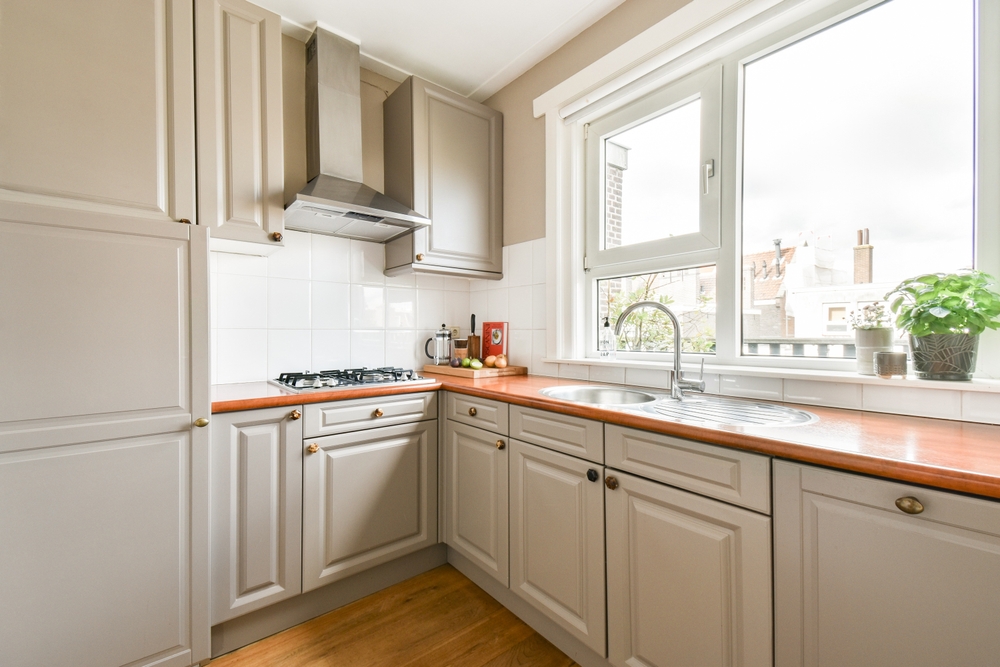
Kitchens tend to sit at the center of the home, even in households that do not think of themselves as design-focused. People gather there. Meals happen there. Daily routines begin and end there. So when the kitchen feels outdated, cramped, or hard to use, the effect spreads beyond the room itself.
This is one reason the ROI of kitchen vs bathroom remodel conversations often lean toward kitchens first.
A well-planned kitchen remodel can improve:
- Storage and organization
- Workflow and layout
- Lighting and visibility
- Appliance efficiency
- Overall buyer appeal
Buyers notice kitchens. Homeowners do too. That part is consistent.
Still, the return depends heavily on restraint. A practical, thoughtful kitchen upgrade often performs better than an overly customized or luxury-heavy remodel that pushes well beyond neighborhood expectations.
In most cases, this is where homeowners get tripped up. They aim for a dramatic transformation when what really drives value is usability, finish consistency, and smart design decisions.
A kitchen can offer strong return, but only when the spending stays grounded.
Why bathrooms often deliver steady value
Bathrooms usually do not carry the same emotional weight as kitchens, but they quietly shape how comfortable a home feels.
An outdated bathroom can make a whole house feel older than it is. Poor lighting, worn tile, weak storage, and awkward layouts create friction in daily routines. People may tolerate those issues for years, but once they are fixed, the difference feels immediate.
That is why bathroom remodels often perform well in a home remodeling ROI comparison.
They tend to offer:
- Lower project costs than kitchens or additions
- Strong appeal to future buyers
- Noticeable functional improvements
- Faster completion in many cases
Bathrooms often hit a useful middle ground. They are meaningful enough to improve comfort and value, but usually not so large that the budget becomes difficult to control.
What many homeowners do not realize at this stage is that bathroom ROI often looks especially strong because the cost basis is more manageable. Even if the resale bump is not massive in raw dollars, the percentage return can still be compelling.
This makes bathrooms one of the more dependable answers to the question, which renovation should I do first for ROI.
Why home additions change the equation
Home additions are a different category entirely.
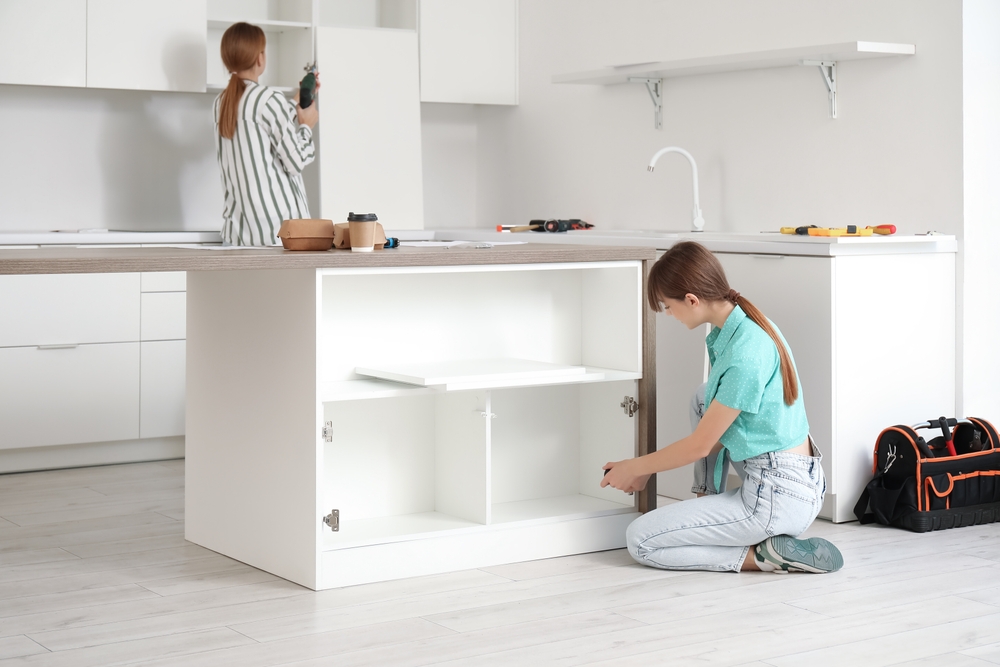
A kitchen or bathroom remodel usually improves what is already there. An addition changes the scale of the home. It creates new square footage, new function, and often a new way of living in the house.
That sounds appealing, and sometimes it absolutely is the right move. But additions are more expensive, more complex, and more dependent on local market realities.
An addition may help with:
- Growing family needs
- Multi-generational living
- Home office demand
- Better long-term livability
- Higher appraised size and usability
But the financial return is usually less straightforward.
Why? Because additions cost more, take longer, and involve more moving parts. Foundation work, roofing integration, permits, structural design, HVAC extensions, electrical, finishes. It adds up fast.
So while additions may improve market value, they do not always outperform kitchens or bathrooms on a pure ROI percentage basis.
That does not make them a bad investment. It just means they solve a different kind of problem.
If the home no longer fits your life, the best home improvement for ROI may not be the one with the neatest resale ratio. It may be the one that keeps you from moving, helps the home function better, and supports the next phase of life.
That kind of return is harder to put in a spreadsheet. Still, it matters.
Which project tends to perform best
If we step back and look at broad patterns across the U.S., a few things usually hold true.
Kitchen remodels often deliver strong buyer appeal and functional value, especially when the upgrades are mid-range and well planned.
Bathroom remodels tend to offer one of the steadiest returns because they improve daily use without reaching the cost level of larger projects.
Home additions can add meaningful value, but the financial return is often more situational and more influenced by market conditions, neighborhood ceilings, and total project cost.
So if someone asks for a simple ranking, it often looks something like this:
- Bathroom remodel for steady, cost-conscious ROI
- Kitchen remodel for strong market and lifestyle value
- Home addition for long-term function, with more variable financial return
But that is only the simplified version.
A cramped kitchen in a desirable family neighborhood may deserve priority over a bathroom. A home with only one outdated bath may see major benefit from fixing that first. A household that truly needs more space may gain more from an addition than from polishing existing rooms that still do not solve the bigger issue.
This is why ROI of kitchen vs bathroom remodel should never be treated as a generic answer copied from a chart.
Context matters. Probably more than people expect.
How to decide which renovation should come first
If you are wondering which renovation should I do first for ROI, start with three practical questions.
First, what is making the home harder to live in right now?
Second, what is the realistic budget, not the wishful one?
Third, how long do you plan to stay in the home?
These questions matter because they separate emotional impulse from practical decision-making.
A helpful way to think about it:
- Choose a bathroom remodel first if the budget is tighter and the existing space feels outdated or inefficient.
- Choose a kitchen remodel first if the kitchen is clearly limiting daily function or dragging down the feel of the entire home.
- Choose a home addition first if space is the real issue and smaller upgrades will not solve it.
This is usually the turning point. Once you define the real problem, the right project becomes clearer.
ROI is not just about resale
This part gets missed a lot.
People talk about return as if it only counts when the house is sold. But homeowners live with these decisions long before that day comes, sometimes for years.
A better layout changes mornings. Better lighting changes mood. More storage changes stress levels. An extra room changes how a family grows into a home.
So yes, resale matters. Numbers matter. But so does lived experience.
A thoughtful remodel should support both.
That is why the best outcomes usually come from a balanced approach. Not the cheapest project. Not the biggest one. The one that improves the home in a way that makes sense financially and emotionally.
Sometimes that is a bathroom. Sometimes it is the kitchen. Sometimes the right answer is bigger, and that is where working with a full home remodeling company can help tie the decision back to a realistic plan instead of guesswork.
FAQs
Which project usually has the best ROI in remodeling?
In many cases, bathrooms offer steady ROI because costs are lower, while kitchens often bring strong buyer appeal and daily functional value.
Is a home addition worth it for ROI?
It can be, but returns vary more. Additions often make the most sense when space limitations are the real issue.
What is the ROI of kitchen vs bathroom remodel?
Kitchen remodels often have broader market appeal, while bathroom remodels may offer better percentage return because they usually cost less.
What is the best home improvement for ROI?
It depends on the home, budget, and local market, but kitchens and bathrooms are often among the strongest performers.
Which renovation should I do first for ROI?
Start with the space that most affects daily use and has room for practical improvement without overbuilding for the neighborhood.
Final Thoughts
There is no single remodel that wins in every situation.
That would be easier, of course. But homes are personal, and so are the decisions behind improving them. A kitchen may make the biggest visual and functional difference. A bathroom may offer the most balanced return. A home addition may solve a problem the rest of the house simply cannot.
The point is not to chase ROI in the abstract. It is to understand what kind of return you actually need.
At Your Next Door Experts, that kind of clarity matters. The goal is not to push homeowners toward the biggest project or the flashiest update. It is to help them make grounded decisions that support the home, the budget, and the life happening inside it.
And usually, that is where the best return begins.