
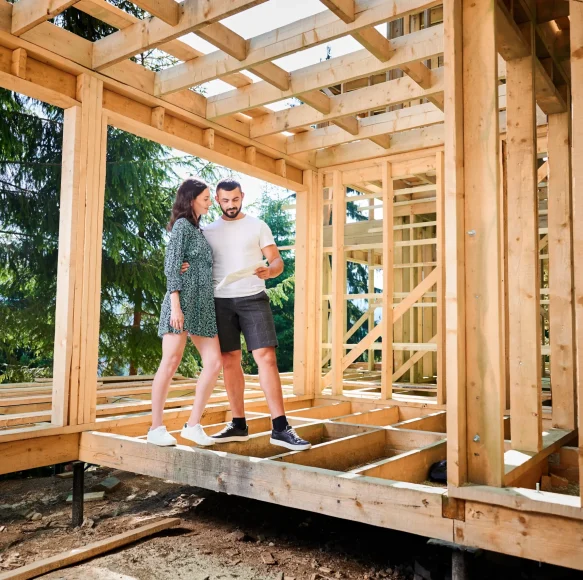
Home additions and ADU remodeling focus on expanding existing residential homes to better support changing needs. Rather than starting from scratch, this service adapts current structures by adding or converting space in a way that integrates with the home’s layout, systems, and character. It’s designed for homeowners who want more functional living space while maintaining continuity with the original home through thoughtful planning and coordination.
Long-Term Durability
Daily Comfort & Function
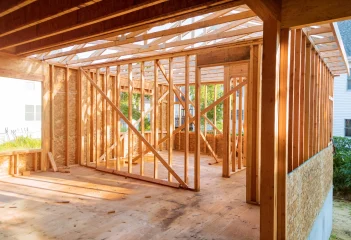
Full home remodeling often includes updates across several areas of the home rather than isolated improvements. Kitchens, bathrooms, living spaces….
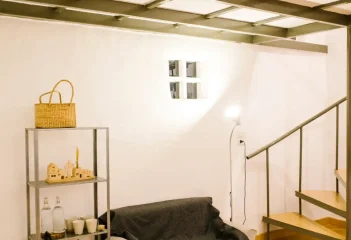
Basement ADU remodels repurpose existing lower-level spaces into independent or semi-independent living areas…..
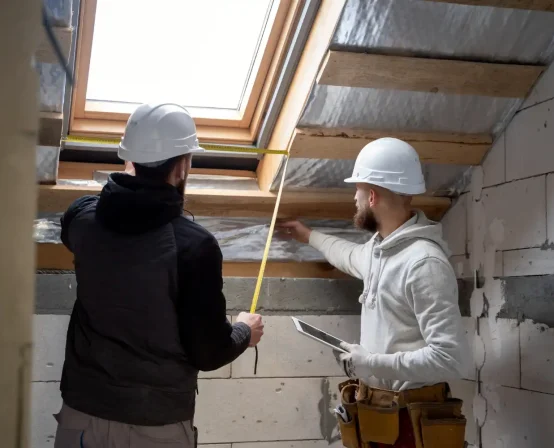
Many homeowners choose expansion remodeling when their homes no longer meet changing needs but still hold long-term value. Growing households often require additional bedrooms or shared living areas without leaving a familiar environment. Multi-generational living arrangements may also call for more private or flexible spaces within the same property
Work-from-home needs have increased demand for dedicated rooms that don’t disrupt daily routines. Others consider expansion to create guest accommodations or adaptable living areas for future use. For many, expanding an existing home allows them to preserve location, routines, and community connections while gaining the space they need.
Our approach to home additions and ADU remodeling begins with understanding the existing home as a whole. Each project starts by evaluating current structures, layouts, and systems to determine how new spaces can be integrated effectively. Planning focuses on how additions connect visually and functionally with the original home.
System coordination is handled carefully to ensure utilities, access points, and circulation remain cohesive. Expansion projects introduce complexity, so decisions are sequenced to reduce disruption and maintain continuity throughout the home. This planning-led approach helps ensure new spaces feel intentional and well-integrated rather than added on as an afterthought.
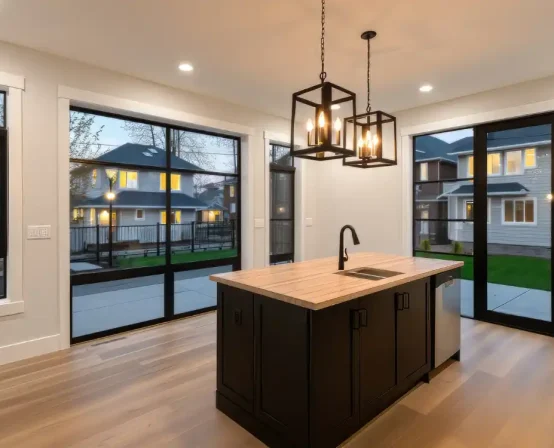
Expanding an existing home requires understanding property limitations and how much space can realistically be added. Structural feasibility plays an important role, as existing foundations and framing influence expansion options. High-level zoning awareness is also necessary to understand general constraints without diving into technical details.
Utility connections must be evaluated to ensure new spaces function reliably. Long-term flexibility is another key consideration, as expansions should support future needs rather than solve only immediate concerns. Addressing these factors early helps set clear expectations and supports better planning outcomes.
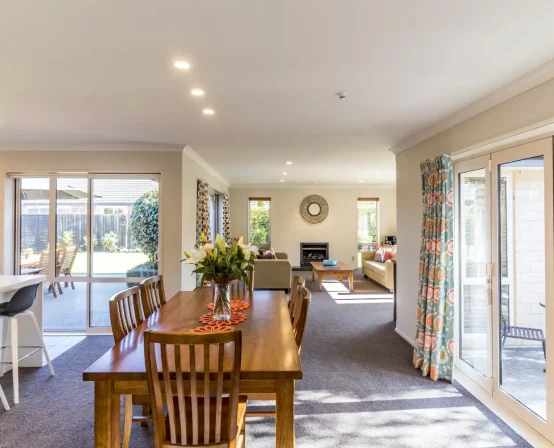
A home addition expands the main living area, while an ADU creates a separate or semi-independent space within or connected to the existing home. Both involve remodeling rather than new construction.
Not all homes are ideal candidates. Existing structure, layout, and property conditions influence feasibility. Evaluation helps determine what types of expansion make sense.
Integration focuses on connecting new spaces with current circulation, utilities, and design. Planning ensures additions feel like part of the home, not separate structures.
Planning focuses on scope, layout, and coordination before work begins. Construction follows the plan, helping reduce disruptions and unexpected adjustments.
Yes, planning emphasizes adaptability and long-term usability so added spaces remain functional as needs change over time.
Explore our other remodeling solutions
Kitchen remodeling focuses on improving layout, storage, and everyday usability
Bathroom remodeling helps improve comfort, efficiency, and long-term reliability
Full home remodeling brings multiple upgrades together under one coordinated plan
If you’re considering expanding your home, understanding how additions and ADU remodeling are planned can help clarify next steps. Explore related remodeling services or learn how the planning process works before deciding how to move forward