
Full home remodeling involves coordinating multiple upgrades across an existing home under a single, well-planned renovation strategy. Rather than focusing on individual rooms, this approach looks at layout, systems, and flow as a whole. It’s designed for homeowners who want to improve how their home functions long-term by aligning design decisions, infrastructure updates, and sequencing into one cohesive plan
Long-Term Durability
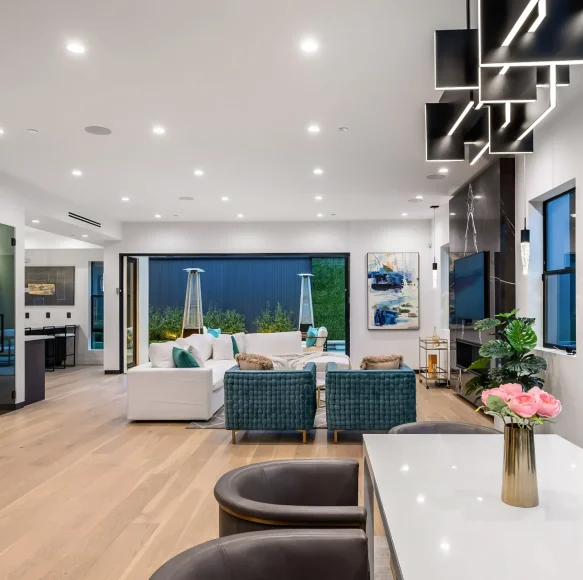
Daily Comfort & Function
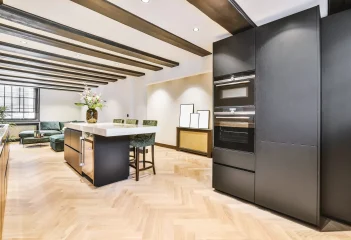
Full home remodeling often includes updates across several areas of the home rather than isolated improvements. Kitchens, bathrooms, living spaces….
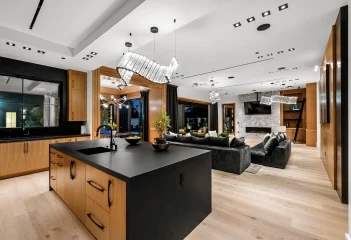

Some projects require structural considerations to support layout changes or long-term stability…..
Full home remodeling may be the right approach when several areas of a home need improvement or when isolated updates no longer make sense. Homes with outdated layouts, disconnected spaces, or aging systems often benefit from a coordinated plan rather than piecemeal changes. This approach is also suited for homeowners planning long-term ownership, major lifestyle changes, or structural updates that affect multiple areas. When improvements are interconnected, addressing them together can lead to clearer decisions and a more functional outcome.
Our approach treats the home as an interconnected system rather than a collection of individual rooms. Planning begins by evaluating how spaces, structures, and systems relate to one another. Work sequencing is carefully considered to account for dependencies between layout changes, system updates, and finishes.
Managing complexity is central to full home remodeling. Decisions are organized to reduce conflicts and maintain consistency throughout the project. By focusing on coordination rather than isolated tasks, this approach supports smoother execution and helps ensure the final result feels cohesive across the entire home.
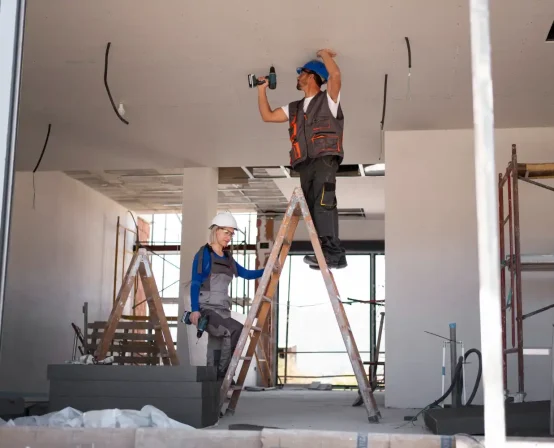
Full home remodeling requires clear scope definition to keep decisions aligned. Understanding which areas are included, how changes interact, and what order decisions should be made helps prevent confusion later. Living arrangements during remodeling may need to be considered, especially when multiple spaces are affected
Decision sequencing is important, as early choices often influence later outcomes. Planning also involves managing potential changes and thinking beyond completion to long-term maintenance. Addressing these considerations early helps create a more predictable and organized remodeling experience
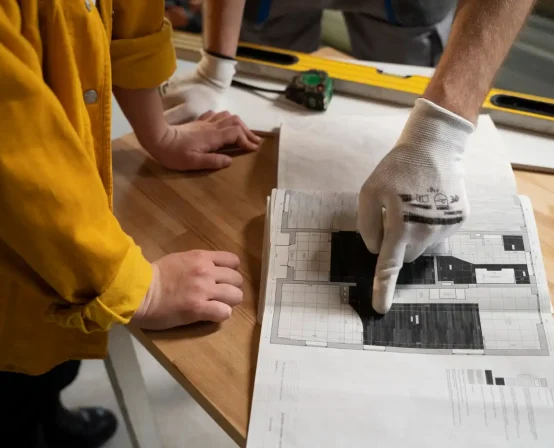
A phased remodel updates areas over time, while full home remodeling coordinates changes under one plan. Coordinating everything together helps align design, systems, and sequencing more effectively.
Planning starts with evaluating the home as a whole, defining scope, and organizing decisions in a logical order. This helps reduce conflicts between spaces and systems.
Partial occupancy may be possible depending on scope and sequencing. Planning helps determine how spaces are affected and what arrangements may be needed.
Scope changes are evaluated based on how they affect sequencing, systems, and overall coordination. Early planning helps minimize unexpected adjustments later.
Older homes often benefit from a coordinated approach due to aging systems and layout constraints. Careful evaluation ensures updates align with existing structures.
Explore our other remodeling solutions
Kitchen remodeling focuses on improving layout, storage, and everyday usability
Bathroom remodeling helps improve comfort, efficiency, and long-term reliability
Home additions and ADU remodeling allow homeowners to expand living space within an existing property
If you’re considering full home remodeling, understanding how coordination and planning work together can help guide next steps. Explore remodeling services or learn more about the planning process before deciding how to move forward