
Long-Term Durability
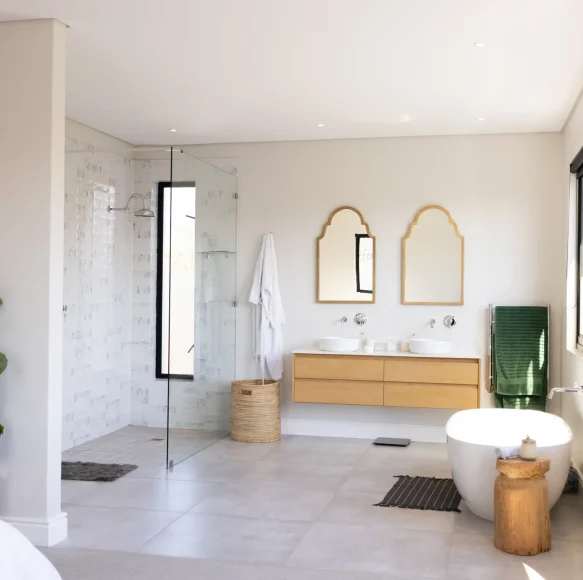
Daily Comfort & Function
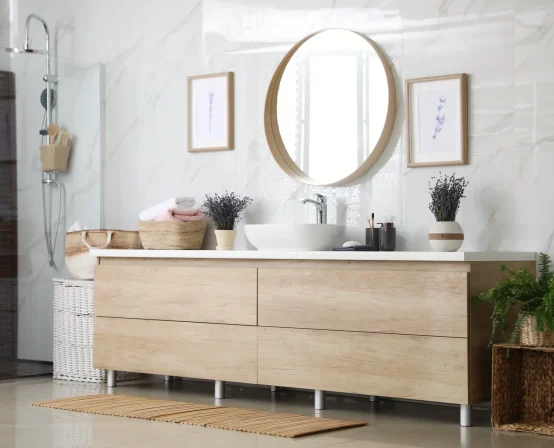
Bathrooms are among the most frequently used spaces in a home, which often leads to wear over time. Many homeowners consider remodeling when fixtures begin to feel dated, surfaces show signs of aging, or layouts no longer support daily routines. Storage limitations and inefficient use of space are also common reasons bathrooms start to feel restrictive.
Some remodels are driven by safety or accessibility needs, especially as household requirements change. Others focus on improving water efficiency or resolving ventilation and moisture concerns that can affect long-term durability. Bathroom remodeling is also considered when preparing a home for resale, helping the space feel more functional and well-maintained without overcomplicating the scope
Bathroom remodeling often involves updating showers or tubs to improve comfort, accessibility, and ease of use….
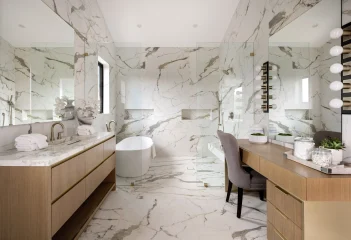
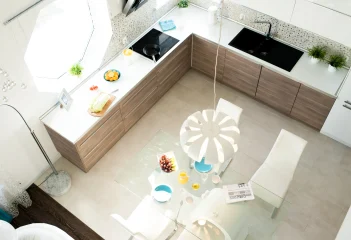
Bathroom remodeling requires careful coordination due to limited space and complex systems. Our approach begins with evaluating the existing bathroom to understand layout constraints, plumbing conditions, and usage patterns. Planning focuses on fixture placement, storage needs, and surface selections before work begins.
Coordination between plumbing, finishes, and lighting helps ensure each element fits together without conflict. Because bathrooms are essential spaces, minimizing disruption is a key consideration during planning. This structured approach helps homeowners move forward with clarity and fewer unexpected challenges.
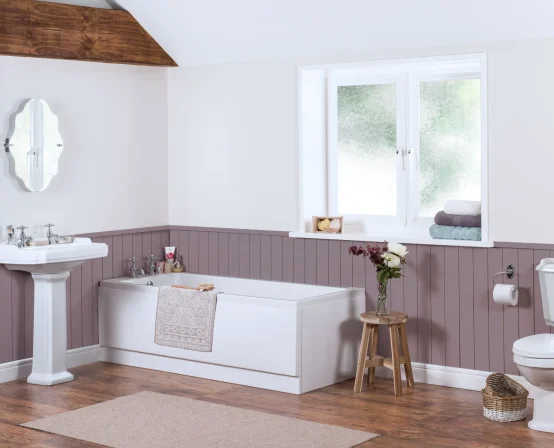
Bathrooms require specific planning due to constant exposure to moisture and limited space. Ventilation is essential for managing humidity and protecting materials over time. Space limitations often influence fixture size, layout options, and storage solutions.
Fixture compatibility is another important factor, especially in older homes where existing systems may require careful adjustments. Safety considerations such as slip resistance, accessibility, and ease of use also play a role in planning. Addressing these factors early helps create a bathroom that remains reliable and comfortable long after the remodel is complete.
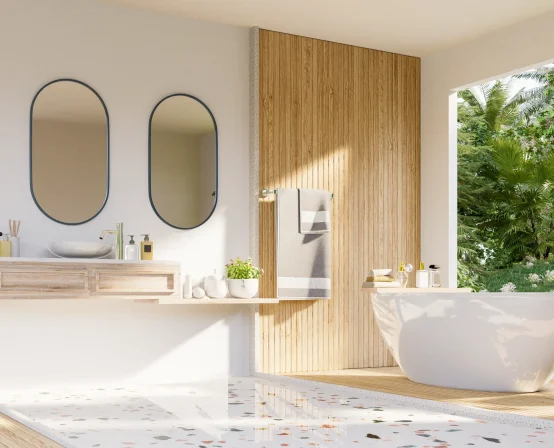
The timeline varies based on scope, layout changes, and fixture selection. Planning ahead helps streamline the process and reduce delays once work begins.
In many cases, temporary arrangements are needed. Planning helps determine whether partial use is possible or if alternate arrangements should be considered during the project.
Partial remodels focus on specific updates like fixtures or surfaces, while full remodels involve layout changes and system coordination. Planning helps determine the right approach.
This depends on existing conditions and goals. Fixture replacement improves appearance, while layout changes address functionality. Both require different levels of planning.
Older homes may have unique plumbing or structural considerations. Careful evaluation helps ensure updates are compatible with existing systems.
Bathroom remodeling often complements other targeted home improvements.
Kitchen remodeling focuses on improving layout, storage, and everyday usability
Full home remodeling brings multiple upgrades together under one coordinated plan
Home additions and ADU remodeling allow homeowners to expand living space within an existing property
If you’re considering a bathroom remodel, understanding the planning process can help set clear expectations. Explore related remodeling services or learn how projects are approached before deciding on next steps